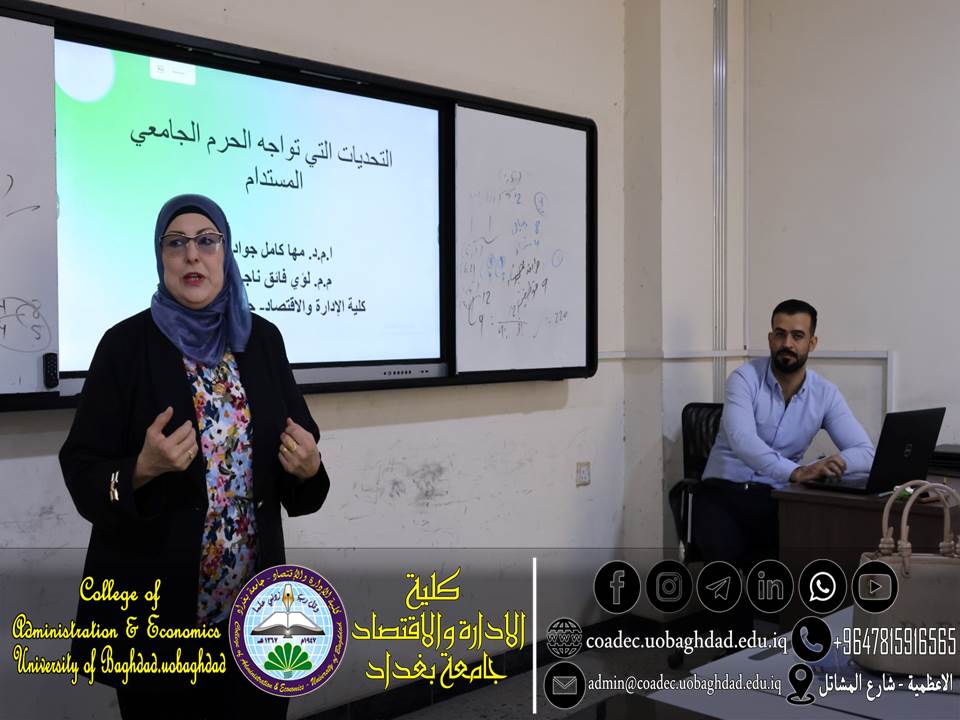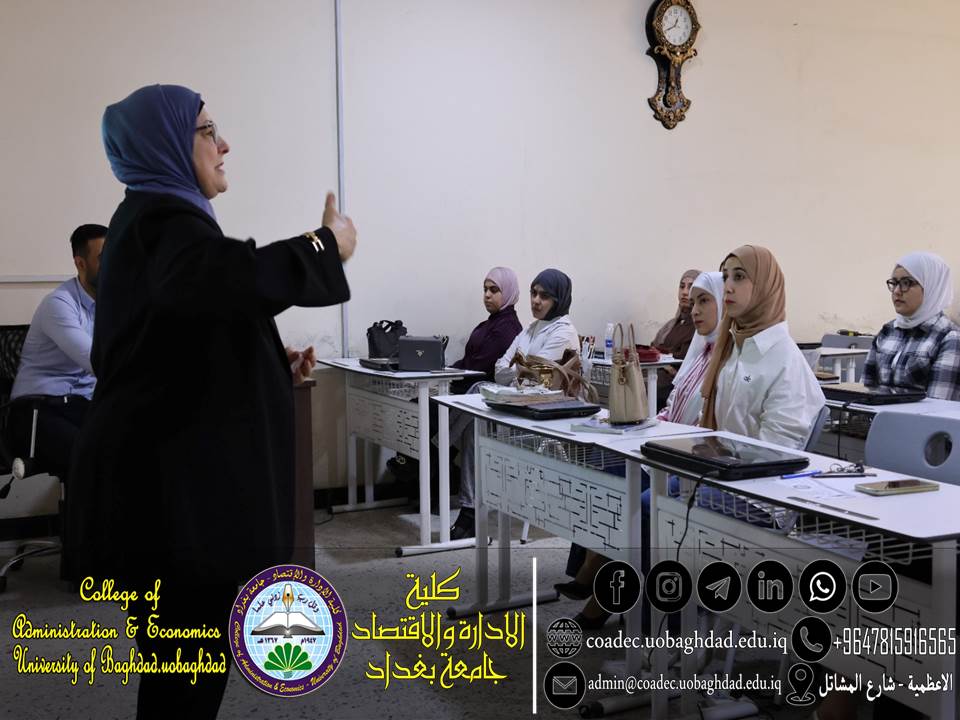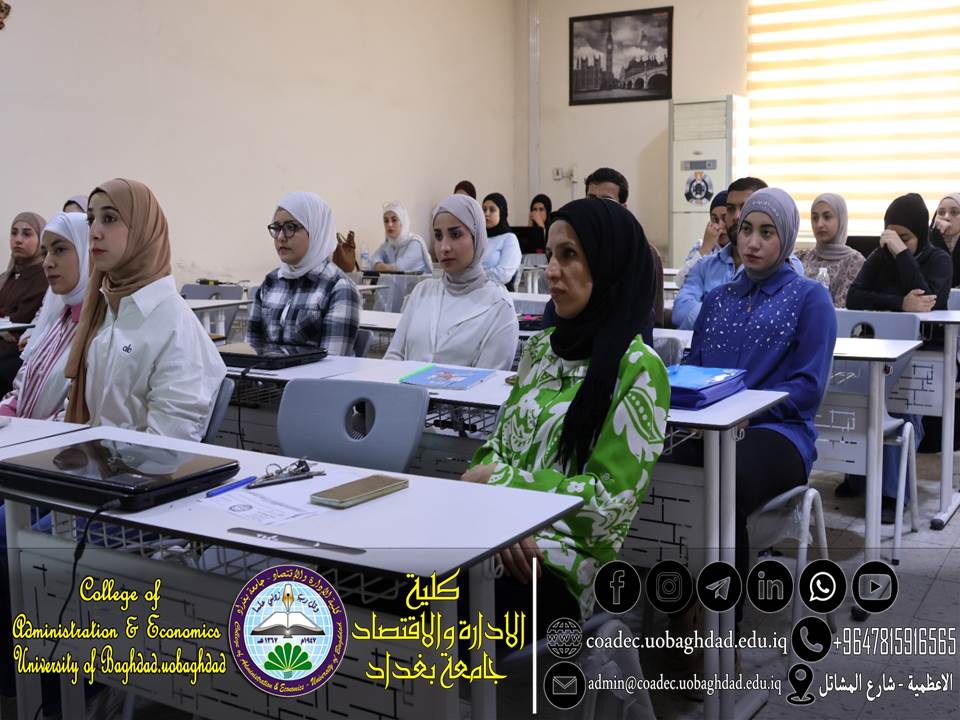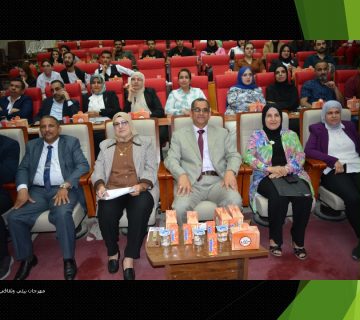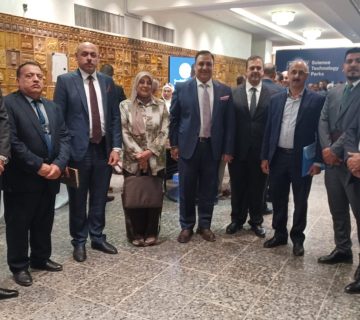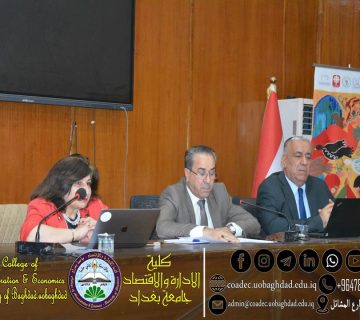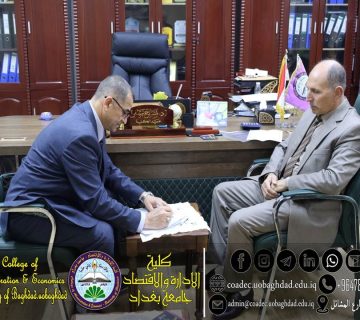
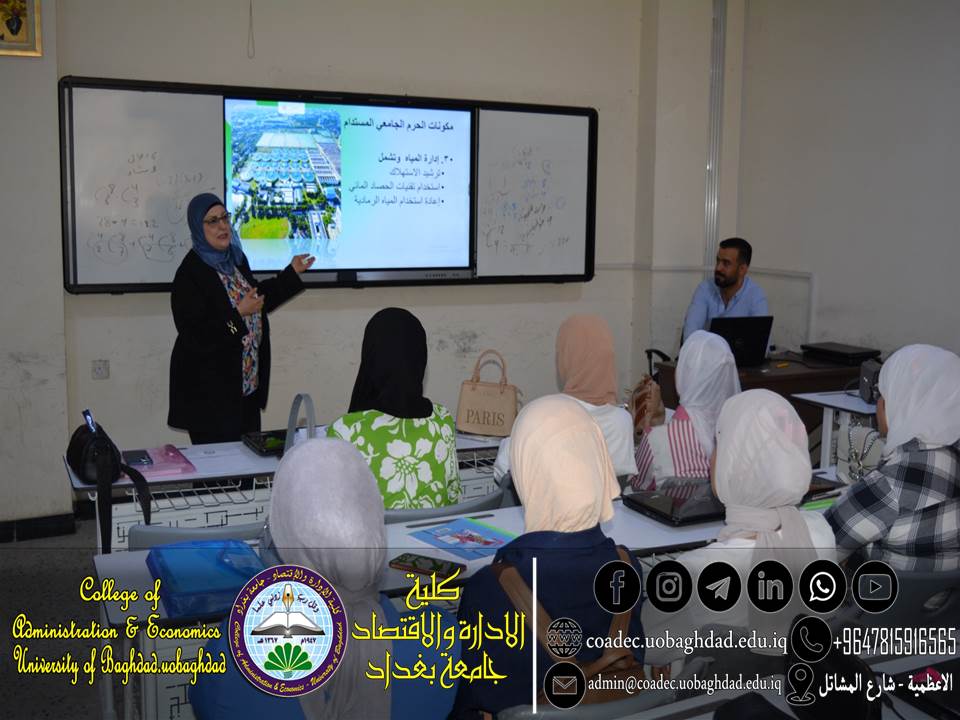
Under the patronage of Professor Dr. Sabah Munfi Ridha, and as part of the Sustainable University Week activities, the College of Administration and Economics at the University of Baghdad organized a specialized workshop entitled ” Challenges Facing the Sustainable Campus ” The workshop was delivered by Assist.Prof. Dr. Maha Kamel Jawad and Assist. Lect. Luay Faeq Naji, in the presence of a number of faculty members, students, and individuals interested in environmental and educational sustainability issues.
The workshop aimed to introduce participants to the concept of a sustainable campus, the principles of sustainability in education, and the seventeen Sustainable Development Goals(SDGs), with a focus on analyzing the key challenges facing universities in their transition toward a green and sustainable campus environment.
The presenters addressed several core themes, including:
* The concept of sustainability and its dimensions (environmental, social, and economic)
* Characteristics and components of a sustainable campus, such as green infrastructure, smart management of energy and water, sustainable transportation, and the integration of sustainability into education and scientific research.
They also highlighted the most significant challenges facing universities, including:
* Financial challenges (high transition costs)
* Cultural challenges (resistance to change and low environmental awareness)
* Technical challenges (outdated infrastructure)
* Knowledge challenges (lack of specialized expertise)
* Weak leadership commitment, limited community engagement, the complexity of managing universities as miniature cities, and the absence of unified standards and indicators for measuring sustainability
The workshop presented documented scientific statistics on energy and water consumption in universities, noting that campus buildings account for more than 80% of electricity consumption, making universities a “strategic intervention point” for reducing carbon emissions.
It also included a comparative analysis of leading Arab experiences in sustainable campuses, such as:
- Iraqi experience: Al-Mustaqbal University, Al-Maarif University College, Al-Ain University, and Al-Hilla University College, where some institutions have adopted ambitious plans to generate 50% of their energy from renewable sources by 2030 and achieve carbon neutrality by 2040.
- UAE experience: Khalifa University, Al Ain University, and American University of Sharjah, focusing on technological innovation such as producing water from air using solar energy, alongside behavioral change initiatives.
- Saudi experience: King Fahd University of Petroleum and Minerals, which recorded more than 9,800 sustainability-related research outputs and 265 patents in a single year, ranking among the top 25 universities globally in sustainability.
The workshop concluded that the transition toward sustainable campuses in the Arab world is moving toward a hybrid model that combines technological solutions (energy and water) with behavioral change and scientific research. It emphasized that the greatest challenge lies in transforming isolated initiatives into an integrated institutional system, noting that the decisive factor is not only funding, but also governance, institutional culture, and student engagement.
At the conclusion of the workshop, the presenters recommended the importance of promoting environmental sustainability awareness within the educational community, fostering positive attitudes toward environmental innovation and teamwork, and actively involving students in sustainability initiatives as key contributors to achieving sustainable transformation.